

Introduced in the U.S. House of Representatives
The Red Star Foundation created the Red Star Service Banner and supports H.R. 7815, the Red Star Service Banner Act, introduced by Congressman Jack Bergman on March 5, 2026.
For too long, families who have lost loved ones to suicide after serving our Nation have struggled without a nationally recognized symbol acknowledging their sacrifice.
The Red Star Service Banner Act seeks to change that.
Introduced by Congressman Jack Bergman on March 5, 2026, H.R. 7815 would establish the Red Star Service Banner as an officially recognized service banner under Title 36 of the United States Code.
The legislation seeks to honor and recognize the families of current military, veterans, and first responders who have died by suicide, known as Red Star Families.

Congressional support tracker
54 Bipartisan Cosponsors Supporting H.R. 7815
As of November 20, 2026
With 29 Republican and 25 Democratic cosponsors, H.R. 7815, the Red Star Service Banner Act, continues to demonstrate strong bipartisan support for nationally recognizing families who have lost current military, veterans, and first responders to suicide. Including primary sponsor Congressman Jack Bergman (R-MI-1), the legislation now has 55 House supporters.
- Congressional Supporters
- 55
- Cosponsors
- 54
- Republican Cosponsors
- 29
- Democratic Cosponsors
- 25
★ Primary Sponsor:Rep. Jack Bergman (R-MI-1)· counted separately from cosponsors
The November 20, 2026, Congressional Record, page H6325, records Rep. Carlos Gimenez and Rep. Mike Levin as additional cosponsors of H.R. 7815. Both joined Nov. 20. Added to the Nov. 17 baseline of 52 cosponsors, the roster has 54 cosponsors: 29 Republicans and 25 Democrats. Including primary sponsor Rep. Jack Bergman, total House support is 55. The record was verified Nov. 24, 2026. The primary sponsor is counted separately from cosponsors. November 20 Congressional Record, page H6325. Explore all 55 members.
Cosponsor roster as of November 20, 2026 · Congressional Record verified November 24, 2026 · Website updated November 24, 2026 · Confirmed against Congress.gov November 24, 2026
H.R. 7815 has been introduced and referred to committee. It has not passed and is not law.
Congressional summary
H.R. 7815 at a Glance
- Bill Number
- H.R. 7815
- Bill Name
- Red Star Service Banner Act
- Congress
- 119th Congress
- Primary Sponsor
- Rep. Jack Bergman (R-MI-1)
- Date Introduced
- March 5, 2026
- Committee
- House Judiciary Committee
As of November 20, 2026, the roster has 54 cosponsors, representing 55 total House supporters including Rep. Jack Bergman. The two additions are recorded in the Congressional Record, page H6325, verified November 24, 2026.
What Is H.R. 7815, the Red Star Service Banner Act?
H.R. 7815 is federal legislation proposing to officially recognize the Red Star Service Banner as a commemorative service banner.
The legislation would amend Chapter 9 of Title 36 of the United States Code, establishing statutory recognition of the banner.
The bill recognizes and remembers current military members and veterans who have died by suicide while acknowledging the enduring sacrifice of their families.
It also provides for the banner to be displayed in remembrance of first responders who have died by suicide.
The legislation acknowledges a community of families whose loved ones served, protected, and sacrificed for our Nation but whose losses have too often remained unrecognized.
This proposed federal recognition would complement the established traditions of the Blue Star and Gold Star Service Banners.
Important: H.R. 7815 is proposed legislation and has not yet become federal law.
The proposal
What Would the Red Star Service Banner Act Do?
Official Federal Recognition
Proposes establishing the Red Star Service Banner as an officially recognized commemorative service banner under Title 36.
Honor the Families Left Behind
Recognizes military members and veterans who have died by suicide and acknowledges the enduring sacrifice of their families. The bill also permits recognition of first responders lost to suicide.
Expand Public Recognition
Allows the banner to be displayed in family homes, workplaces, veterans organizations, government buildings, and community spaces in accordance with the bill.
Stand Alongside Existing Service Banners
Provides that the Red Star Service Banner may be displayed alongside other officially recognized service banners.
Promote Public Awareness
Authorizes the Secretary of Veterans Affairs, in coordination with the Secretary of Defense, to take appropriate actions to increase awareness and understanding of the banner.
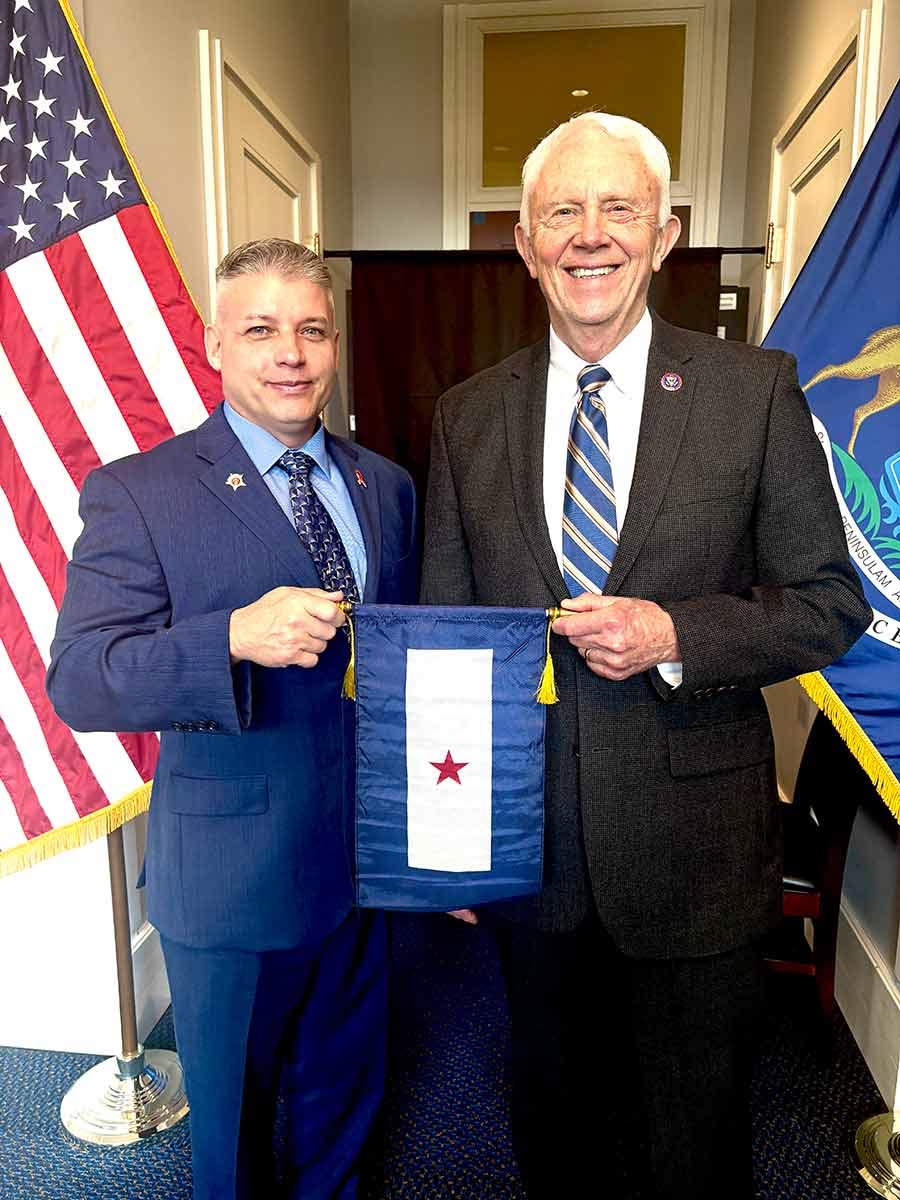
The Red Star Service Banner: A Symbol of Hope, Recognition, and Connection
The Red Star Service Banner was created by Red Star Foundation to recognize families who have lost a loved one to suicide among current military, veterans, and first responders.
For these Red Star Families, the banner is more than a memorial. It is a symbol of hope, recognition, and connection.
- Hope, Families can find understanding, support, and a community that cares.
- Recognition, Their loved one’s life, service, and sacrifice are remembered.
- Connection, Families are welcomed into a community of others who understand the challenges of suicide loss.
For generations, the Blue Star and Gold Star Service Banners have been visible reminders of military service and sacrifice.
The Red Star Service Banner seeks to bring greater recognition to another group of families whose losses have often remained invisible.
Honoring the Forgotten Families.
Why Recognition Matters for Military and Veteran Suicide Families
When a current military member, veteran, or first responder dies by suicide, the impact extends far beyond one individual.
Families are left to navigate profound grief, questions, and, too often, isolation and stigma.
Public recognition can help acknowledge that grief, encourage conversations about mental health, and connect families with others who have experienced similar losses.
Red Star Foundation believes that recognition is an important part of a broader culture of prevention, understanding, and support.
The Red Star Service Banner Act seeks to ensure that these families are no longer overlooked in our national tradition of recognizing service and sacrifice.

Across the aisle
Bipartisan Support for Recognizing Red Star Families
H.R. 7815, the Red Star Service Banner Act, has earned growing bipartisan support in the U.S. House of Representatives. As of November 20, 2026, 54 members, 29 Republicans and 25 Democrats, had signed on as cosponsors.
Together with bill sponsor Congressman Jack Bergman, 55 House members support federal recognition of the Red Star Service Banner.
The legislation would establish national recognition for families who have lost loved ones to suicide among current military, veterans, and first responders, acknowledging families whose sacrifices have too often gone unrecognized.
Congressional Support Tracker
- Bill
- H.R. 7815
- Primary Sponsor
- Rep. Jack Bergman (R-MI-1)
- Cosponsors
- 54
- Republican Cosponsors
- 29
- Democratic Cosponsors
- 25
- Original Cosponsors
- 5
- Total House Supporters
- 55
- Legislative Status
- Introduced and referred to committee
- Committee
- House Judiciary Committee
- Cosponsor Roster Date
- November 20, 2026
- Website Updated
- November 24, 2026
- Congressional Record Verified
- November 24, 2026
- Congress.gov Roster Verified
- November 24, 2026
Total House supporters = cosponsors plus the primary sponsor, counted once. Counts reflect roster as of November 20, 2026. The November 20 Congressional Record, page H6325, was verified November 24, 2026; the complete Congress.gov roster was also verified November 24, 2026. Counts remain dated figures until the roster is updated again.
Congressional Representation
- States represented
- 25
- Documented military veterans
- 13
- Documented first responders
- 3
- Documented medical and health backgrounds
- 9
- House Judiciary Committee members
- 14
- House Veterans’ Affairs Committee members
- 4
- Republican supporters, including sponsor
- 30
- Democratic supporters
- 25
- Original cosponsors
- 5
- Republican share of cosponsors
- 53.7%
- Democratic share of cosponsors
- 46.3%
Counts cover all 55 supporters. States exclude Washington, D.C., and territories; 26 jurisdictions are represented. Background counts include only documented service, not inferred experience. Committee counts exclude subcommittees. Cosponsor percentages exclude the sponsor; all-supporter shares are 54.5% Republican and 45.5% Democratic.
Documented relevant caucus representation
Sourced relevant caucus memberships are recorded for 2 of 55 supporters. Other members’ caucus affiliations are unverified, not counted as zero. This is not a complete congressional caucus census.
- Air Force Caucus: 1
- Congressional Addiction, Treatment, and Recovery (ATR) Caucus: 1
- Congressional Democratic Doctors Caucus: 1
- Disaster Preparedness and Recovery Caucus: 1
- Firefighter Caucus: 1
- For Country Caucus: 1
- Law Enforcement Caucus: 1
Congressional Supporters of the Red Star Service Banner Act
Members of Congress from both political parties have joined H.R. 7815, the Red Star Service Banner Act, an effort to establish national recognition for families of current military, veterans and first responders who died by suicide.
Explore the members of Congress supporting this legislation, their congressional districts, their dates of sponsorship or cosponsorship, and their documented involvement in recognizing Red Star Families.
Browse Supporters by State
Showing 55 of 55 congressional supporters

★ Primary Sponsor
Representative Jack Bergman
Republican · MI-1
Michigan’s 1st Congressional District
Introduced the bill March 5, 2026
Documented military service
Cosponsor
Representative Carlos Gimenez
Republican · FL-28
Florida’s 28th Congressional District
Joined November 20, 2026
Cosponsor
Representative Mike Levin
Democrat · CA-49
California’s 49th Congressional District
Joined November 20, 2026

Cosponsor
Representative Yassamin Ansari
Democrat · AZ-3
Arizona’s 3rd Congressional District
Joined November 17, 2026
Cosponsor
Representative Herb Conaway
Democrat · NJ-3
New Jersey’s 3rd Congressional District
Joined November 17, 2026
Documented military service

Cosponsor
Representative Chuck Fleischmann
Republican · TN-3
Tennessee’s 3rd Congressional District
Joined November 17, 2026

Cosponsor
Representative James McGovern
Democrat · MA-2
Massachusetts’s 2nd Congressional District
Joined November 17, 2026
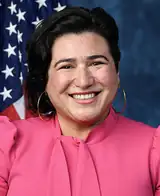
Cosponsor
Representative Emily Randall
Democrat · WA-6
Washington’s 6th Congressional District
Joined November 17, 2026

Cosponsor
Representative Ritchie Torres
Democrat · NY-15
New York’s 15th Congressional District
Joined November 17, 2026
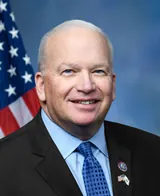
Cosponsor
Representative Scott Fitzgerald
Republican · WI-5
Wisconsin’s 5th Congressional District
Joined November 11, 2026
Documented military service
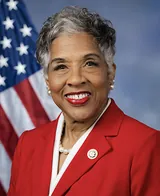
Cosponsor
Representative Joyce Beatty
Democrat · OH-3
Ohio’s 3rd Congressional District
Joined November 10, 2026

Cosponsor
Representative Paul Gosar
Republican · AZ-9
Arizona’s 9th Congressional District
Joined November 10, 2026
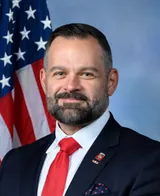
Cosponsor
Representative Cory Mills
Republican · FL-7
Florida’s 7th Congressional District
Joined November 10, 2026
Documented military service

Cosponsor
Representative French Hill
Republican · AR-2
Arkansas’s 2nd Congressional District
Joined November 9, 2026

Cosponsor
Representative Kim Schrier
Democrat · WA-8
Washington’s 8th Congressional District
Joined November 9, 2026

Cosponsor
Representative Eric Sorensen
Democrat · IL-17
Illinois’s 17th Congressional District
Joined November 9, 2026
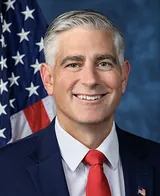
Cosponsor
Representative Michael Baumgartner
Republican · WA-5
Washington’s 5th Congressional District
Joined November 2, 2026
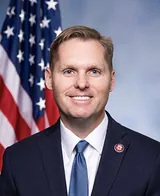
Cosponsor
Representative Michael Guest
Republican · MS-3
Mississippi’s 3rd Congressional District
Joined October 29, 2026

Cosponsor
Representative Dina Titus
Democrat · NV-1
Nevada’s 1st Congressional District
Joined October 26, 2026
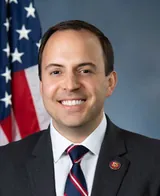
Cosponsor
Representative Lance Gooden
Republican · TX-5
Texas’s 5th Congressional District
Joined October 19, 2026
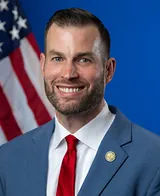
Cosponsor
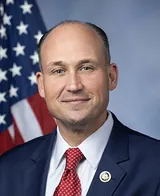
Representative Clay Fuller
Republican · GA-14
Georgia’s 14th Congressional District
Joined October 13, 2026
Documented military service
Cosponsor
Representative Nick Langworthy
Republican · NY-23
New York’s 23rd Congressional District
Joined October 13, 2026

Cosponsor
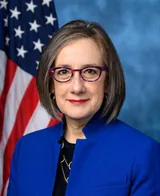
Representative Brittany Pettersen
Democrat · CO-7
Colorado’s 7th Congressional District
Joined October 5, 2026
Cosponsor
Representative Andrea Salinas
Democrat · OR-6
Oregon’s 6th Congressional District
Joined October 5, 2026

Cosponsor
Representative André Carson
Democrat · IN-7
Indiana’s 7th Congressional District
Joined October 1, 2026

Cosponsor
Representative Diana Harshbarger
Republican · TN-1
Tennessee’s 1st Congressional District
Joined October 1, 2026
Cosponsor
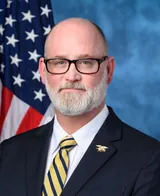
Representative Derrick Van Orden
Republican · WI-3
Wisconsin’s 3rd Congressional District
Joined October 1, 2026
Documented military service

Cosponsor
Representative Julie Johnson
Democrat · TX-32
Texas’s 32nd Congressional District
Joined September 21, 2026
Cosponsor
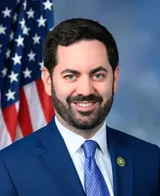
Representative Mike Lawler
Republican · NY-17
New York’s 17th Congressional District
Joined September 16, 2026
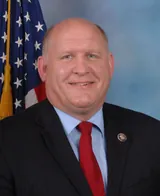
Cosponsor
Representative Glenn “GT” Thompson
Republican · PA-15
Pennsylvania’s 15th Congressional District
Joined September 16, 2026
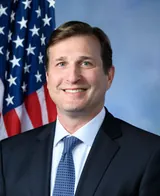
Cosponsor
Representative Dan Goldman
Democrat · NY-10
New York’s 10th Congressional District
Joined September 10, 2026
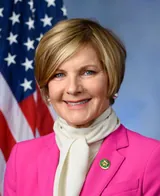
Cosponsor
Representative Susie Lee
Democrat · NV-3
Nevada’s 3rd Congressional District
Joined September 10, 2026

Cosponsor
Representative Maria Elvira Salazar
Republican · FL-27
Florida’s 27th Congressional District
Joined September 10, 2026

Cosponsor
Representative Shontel Brown
Democrat · OH-11
Ohio’s 11th Congressional District
Joined September 8, 2026
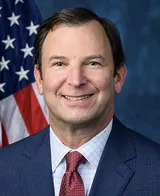
Cosponsor
Representative Craig Goldman
Republican · TX-12
Texas’s 12th Congressional District
Joined September 8, 2026
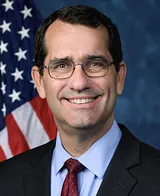
Cosponsor
Representative Derek Schmidt
Republican · KS-2
Kansas’s 2nd Congressional District
Joined September 8, 2026
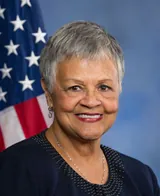
Cosponsor
Representative Bonnie Watson Coleman
Democrat · NJ-12
New Jersey’s 12th Congressional District
Joined September 8, 2026

Cosponsor
Representative Yvette Clarke
Democrat · NY-9
New York’s 9th Congressional District
Joined September 3, 2026
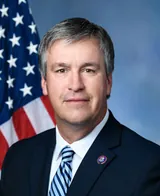
Cosponsor
Representative Barry Moore
Republican · AL-1
Alabama’s 1st Congressional District
Joined September 2, 2026
Documented military service
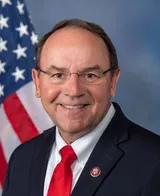
Cosponsor
Representative Tom Tiffany
Republican · WI-7
Wisconsin’s 7th Congressional District
Joined September 2, 2026
Cosponsor
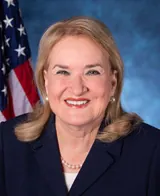
Representative Sylvia Garcia
Democrat · TX-29
Texas’s 29th Congressional District
Joined August 31, 2026

Cosponsor
Delegate Eleanor Holmes Norton
Democrat · DC-At Large
District of Columbia (At Large)
Joined August 31, 2026
Cosponsor
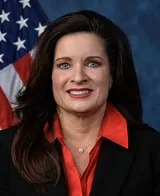
Representative Sheri Biggs
Republican · SC-3
South Carolina’s 3rd Congressional District
Joined August 27, 2026
Documented military service
Cosponsor
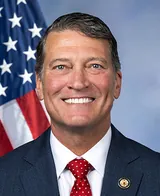
Representative Ronny Jackson
Republican · TX-13
Texas’s 13th Congressional District
Joined August 10, 2026
Documented military service

Cosponsor
Representative Wesley Hunt
Republican · TX-38
Texas’s 38th Congressional District
Joined July 23, 2026
Documented military service
Cosponsor
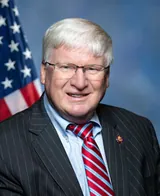
Representative Glenn Grothman
Republican · WI-6
Wisconsin’s 6th Congressional District
Joined July 20, 2026
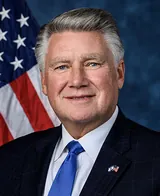
Cosponsor
Representative Mark Harris
Republican · NC-8
North Carolina’s 8th Congressional District
Joined July 13, 2026
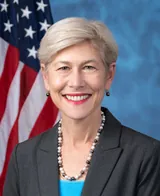
Cosponsor
Representative Deborah Ross
Democrat · NC-2
North Carolina’s 2nd Congressional District
Joined July 13, 2026

Cosponsor
Representative Steve Cohen
Democrat · TN-9
Tennessee’s 9th Congressional District
Joined June 18, 2026

Cosponsor
Representative Zoe Lofgren
Democrat · CA-18
California’s 18th Congressional District
Joined June 4, 2026

Original Cosponsor
Representative Gus Bilirakis
Republican · FL-12
Florida’s 12th Congressional District
Joined March 5, 2026
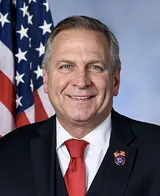
Original Cosponsor
Representative Mike Bost
Republican · IL-12
Illinois’s 12th Congressional District
Joined March 5, 2026
Documented military service
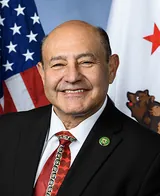
Original Cosponsor
Representative J. Luis Correa
Democrat · CA-46
California’s 46th Congressional District
Joined March 5, 2026
Original Cosponsor
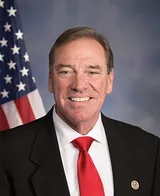
Representative Neal Dunn
Republican · FL-2
Florida’s 2nd Congressional District
Joined March 5, 2026
Documented military service

Original Cosponsor
Representative Anna Paulina Luna
Republican · FL-13
Florida’s 13th Congressional District
Joined March 5, 2026
Documented military service
Cosponsorship dates come from Congress.gov and the Congressional Record. The roster is dated November 20, 2026; the November 20 record was verified November 24, 2026. Names, parties, districts, official portraits and committee assignments come from the Office of the Clerk, U.S. House of Representatives; military service only when listed in the Biographical Directory of the United States Congress. Listing reflects recorded support for H.R. 7815 only and is not an endorsement of any member or candidate by Red Star Foundation.
Organizational support
National Organizations Supporting the Red Star Service Banner Act
The congressional effort has drawn support from national veterans and first responder organizations that recognize the importance of honoring families affected by suicide.
- Vietnam Veterans of America
- Military Order of the Purple Heart
- America's Gold Star Families
- Disabled American Veterans
- Marine Corps League
- Association of the United States Navy
- U.S. First Responders Association
Organizations listed in the congressional Dear Colleague letter. Supporting organizations are not legislative sponsors of the bill.
The Road Toward National Recognition
January 28, 2025
Congressman Jack Bergman recognizes the Red Star Service Banner and Red Star Foundation in the Congressional Record.
March 5, 2026
H.R. 7815 is introduced in the House of Representatives.
March 5, 2026
The legislation is referred to the House Judiciary Committee.
November 10, 2026
Rep. Paul Gosar (R-AZ-9) joins H.R. 7815 as a cosponsor, according to Congress.gov.
November 11, 2026
Congress.gov records 46 cosponsors (27 Republicans and 19 Democrats), for 47 total House supporters including the primary sponsor. Rep. Scott Fitzgerald (R-WI-5) joins as a cosponsor on this date.
November 17, 2026, 52 Bipartisan Cosponsors
H.R. 7815 reaches 52 cosponsors, including 28 Republicans and 24 Democrats. With primary sponsor Congressman Jack Bergman, the legislation has 53 House supporters. Six additional members joined on November 17, including Representatives Fleischmann, Conaway, Randall, Ansari, Torres, and McGovern.
November 20, 2026, 54 Bipartisan Cosponsors
Reps. Carlos Gimenez (R-FL-28) and Mike Levin (D-CA-49) joined as cosponsors Nov. 20, bringing the roster to 54 cosponsors: 29 Republicans and 25 Democrats. Including primary sponsor Rep. Jack Bergman, the bill has 55 House supporters. The November 20 Congressional Record, page H6325, was verified Nov. 24, 2026.
Current Legislative Status
Introduced and referred to committee. Not enacted into law, based on the latest confirmed information.
What Happens Next for H.R. 7815?
For H.R. 7815 to become federal law, it must advance through the legislative process, including passage by the House of Representatives and the Senate, followed by presidential approval or another constitutionally valid means of enactment.
Red Star Foundation will continue providing updates on the effort to achieve national recognition of the Red Star Service Banner.
Families Do Not Have to Wait for Congress
While the effort to establish federal recognition continues, Red Star Foundation already provides Red Star Service Banners and pins to eligible families.
The banner is available to qualifying families who have lost current military members, veterans, or first responders to suicide.
There is no cost for the initial banner and service pin.
Each banner represents the life of a loved one and a visible commitment that their family will not be forgotten.
Read the Legislation
Official government resource · Congress.gov (Library of Congress)
H.R. 7815 bill status, actions and cosponsorsOfficial government resource · GovInfo (U.S. Government Publishing Office)
H.R. 7815 introduced bill textOfficial government resource · Congressional Record (GovInfo), verified November 24, 2026
November 20, 2026, additional cosponsors, page H6325
Frequently Asked Questions
What is H.R. 7815?
H.R. 7815 is the Red Star Service Banner Act, a bill introduced in the 119th Congress. It would amend Chapter 9 of Title 36 of the United States Code to officially recognize the Red Star Service Banner, honoring current military members, veterans, and first responders who have died by suicide and the families they left behind.
What does the Red Star Service Banner Act do?
The Red Star Service Banner Act would give the Red Star Service Banner statutory recognition as a commemorative service banner. As introduced, it allows the banner to be displayed alongside other recognized service banners and authorizes the Secretary of Veterans Affairs, in coordination with the Secretary of Defense, to take appropriate actions to increase public awareness and understanding of the banner.
Who introduced the Red Star Service Banner Act?
Congressman Jack Bergman of Michigan introduced H.R. 7815 on March 5, 2026, and is its primary sponsor. The bill was referred to the House Judiciary Committee the same day. Members of Congress from both parties and many states have since joined as cosponsors, making it bipartisan service banner legislation.
Who created the Red Star Service Banner?
Red Star Foundation created the Red Star Service Banner. The nonprofit designed the banner to recognize families who have lost a current military member, veteran, or first responder to suicide, and it provides banners and service pins to those families today. H.R. 7815 would give that existing banner national recognition in federal law.
Has the Red Star Service Banner Act passed?
No. H.R. 7815 has not passed and is not federal law. Based on the latest confirmed information, it has been introduced in the House and referred to committee. To become law it must pass both the House and the Senate and then be signed by the President or otherwise enacted as the Constitution provides.
What is the Red Star Service Banner?
The Red Star Service Banner is a commemorative banner that honors those lost to suicide and acknowledges their families. For these Red Star Families it is a symbol of hope, recognition, and connection, showing that their loved one's life and service are remembered and that they are not alone.
Who does the bill recognize?
The bill recognizes current military members and veterans who have died by suicide, and acknowledges the enduring sacrifice of their families. It also provides for the banner to be displayed in remembrance of first responders who have died by suicide, extending military suicide recognition to families whose loved ones served their communities.
How is the Red Star Banner different from Blue Star and Gold Star Banners?
Blue Star Service Banners honor families with a loved one serving in the armed forces during wartime, and Gold Star Service Banners honor families whose loved one died in that service. The Red Star Service Banner recognizes families who lost a current military member, veteran, or first responder to suicide, a group often left out of those traditions.
Does H.R. 7815 provide federal benefits?
No. As introduced, H.R. 7815 does not create a new federal benefits entitlement and does not authorize additional appropriations. Its purpose is recognition: establishing the Red Star Service Banner in Title 36 and encouraging public awareness of the families it honors.
Does H.R. 7815 require VA to determine family eligibility?
No. The introduced bill does not require the Department of Veterans Affairs to determine individual banner eligibility or run a banner program. It authorizes the Secretary of Veterans Affairs, in coordination with the Secretary of Defense, to take appropriate actions to increase awareness and understanding of the Red Star Service Banner.
How do I request a Red Star Service Banner?
Families can request a Red Star Service Banner today through the Red Star Foundation banner request form; there is no need to wait for Congress. The banner is available to families who have lost a current military member, veteran, or first responder to suicide, and there is no cost for the initial banner and service pin.
Where can I follow the official status of H.R. 7815?
The official status, actions, and cosponsor list for H.R. 7815 are published on Congress.gov, and the introduced bill text is available from the U.S. Government Publishing Office on GovInfo. Red Star Foundation also shares updates in Red Star News as the effort toward national recognition continues.
Help Us Honor the Forgotten Families
National recognition begins with remembering the lives lost and acknowledging the families left behind.
Learn about the banner, request recognition for your family, or share the Red Star Foundation mission.