Skip to content

Need help? Call 988 then press 1 for veterans. Or text the Veterans Crisis Line at 838255. Get Crisis Help

Veteran Suicide Awareness

Veteran Suicide Awareness: How to Help

Practical ways families, friends, employers and communities can turn awareness into connection and support for current military, veterans and first responders.

Veteran suicide awareness is about more than recognizing a national crisis. It is about understanding the challenges veterans may face, strengthening connections, recognizing when someone needs support, and helping people find appropriate resources.

Families, friends, fellow veterans, employers, community organizations and everyday Americans can all contribute to a more connected and supportive environment.

Red Star Foundation works to bring hope, recognition and connection to current military, veterans, first responders and the families left behind after suicide.

Whether you want to help someone you know, support a local organization, participate in an awareness event or become more involved in suicide prevention, there are meaningful ways to take action.

Learn about veteran suicide prevention

Need Help for Yourself or Someone Else?

If you or someone you know is experiencing suicidal thoughts or a mental health crisis, support is available.

More crisis options are on our suicide hotline page.

What Is Veteran Suicide Awareness?

Veteran suicide awareness means helping people understand suicide risk among veterans, reducing stigma, encouraging supportive conversations and connecting veterans and their families with resources. Awareness is not the same as prevention: it opens the door, and prevention depends on the relationships, support and qualified care that follow.

Why Awareness Matters

Awareness can help people:

  • Recognize when someone may need support.
  • Become more comfortable talking about mental health.
  • Learn where to find qualified services.
  • Understand the importance of peer and community connection.
  • Reach out to people who are isolated.
  • Recognize the experiences of families affected by suicide.
  • Take part in useful community initiatives.

Awareness campaigns on their own are not proven to reduce suicide deaths. Their value comes from the actions people take afterward.

Awareness Must Lead to Action

Sharing a statistic, wearing a ribbon, posting on social media or attending an event can begin a conversation. The more lasting work is personal: making connections, helping someone reach qualified support, following up and staying engaged over time.

Awareness starts the conversation. Connection and meaningful action help carry it forward.

No single action guarantees that a suicide will be prevented.

Why Community Connection Matters for Veterans

Some veterans face challenges such as:

  • Transitioning from military service to civilian life.
  • Changes in social networks.
  • Isolation and loneliness.
  • Loss of familiar routines.
  • Changes in identity or sense of purpose.
  • Employment or financial stress.
  • Physical and mental health challenges.
  • Difficulty accessing appropriate services.

These experiences are not universal, and no single factor explains an individual’s suicide risk. For data on risk and trends, see our veteran suicide statistics and research.

The Importance of Belonging

Military service builds close teams with a shared purpose. After service, that structure can disappear quickly. Supportive relationships, time with peers, regular community activities and a sense of being expected somewhere can help rebuild belonging.

Supporting Veterans During Military Transition

Employers, friends, families and community groups can help veterans build new social connections: invite them into clubs, teams and volunteer projects, introduce them to other veterans, and help them find transition, employment and benefits support through the National Resource Directory.

Peer Support and Professional Care

Peer support can create trust and connection, especially among people who share military or first responder experience. It is not a replacement for crisis intervention or clinical mental health care, and the two work best together.

Red Star’s Peer-to-Peer Network is a planned cornerstone program to connect current military, veterans, first responders and Red Star Families. Its chapters, member directory, mobile app and secure forums are still in development and are not yet live services. Peer, counseling and family support programs are available now through the directory.

10 Ways You Can Help Support Veteran Suicide Awareness

Small, consistent actions build the connections that matter most. Start with one.

  1. Action 1

    Check in with veterans you know

    Call, text or stop by. Regular, genuine conversations matter more than a single message during an awareness campaign. Ask how they are really doing, and make reaching out a habit rather than an event.

  2. Action 2

    Learn the warning signs

    Changes in mood, withdrawal from people and activities, talk of being a burden or of having no reason to live can signal that someone needs support. Our prevention guide covers the warning signs in detail.

    Read the veteran suicide prevention guide

  3. Action 3

    Listen without judgment

    Take concerns seriously. Let the person talk without arguing, minimizing their pain or rushing to fix it. Calm, patient listening makes it easier for them to keep talking to you.

  4. Action 4

    Help someone find professional support

    You do not have to be a clinician to help. Offer to look up a counselor, make the first call together or drive to an appointment. Clinical care, crisis lines and community programs are listed in the national directory.

    Search the National Resource Directory

  5. Action 5

    Support veteran peer connections

    Veterans often connect most easily with people who share their experience. Encourage participation in established peer and community programs, and learn about Red Star's Peer-to-Peer Network.

    About the Peer-to-Peer Network

  6. Action 6

    Take part in awareness events

    Walks, rucks, 5Ks, remembrance gatherings, educational talks and community fundraisers bring people together and keep the subject in the open. See Red Star's current events.

    See Red Star events

  7. Action 7

    Volunteer with veteran support organizations

    Nonprofits serving veterans and families need people for events, outreach and family support. Red Star's volunteer page explains how to sign up and where help is needed.

    Volunteer with Red Star

  8. Action 8

    Support families affected by suicide

    Parents, spouses, children, siblings and friends carry the loss for years. Remember anniversaries, say their loved one's name and keep inviting them. Red Star Families and our family-support guide offer recognition and resources.

    Support for families after veteran suicide

  9. Action 9

    Share accurate information and resources

    Share verified statistics, crisis numbers and trusted resources rather than rumors or sensational stories. Our research hub explains the latest VA data and how it is measured.

    Veteran suicide statistics and research

  10. Action 10

    Stay connected beyond awareness month

    September draws attention, but isolation does not follow a calendar. Sustained friendships, regular invitations and follow-up through the year mean more than a single post or event.

How Families and Friends Can Help a Veteran

Families and friends are often the first to notice that something has changed. You do not need special training to care, to ask and to stay close.

Start a Conversation

Express concern directly and with compassion. For example: “I’ve noticed you seem to be having a difficult time. I care about you, and I’m here to listen.”

Five Action Steps From NIMH

The National Institute of Mental Health (NIMH) describes five evidence-informed steps anyone can take to help someone having thoughts of suicide:

  1. 1. Ask

    Ask directly: “Are you thinking about suicide?” NIMH notes that studies show asking does not increase suicidal thoughts or behavior.

  2. 2. Be there

    Listen without judgment to learn what the person is thinking and feeling.

  3. 3. Help keep them safe

    NIMH notes that reducing access to highly lethal items or places can help keep a person safe while suicidal thoughts arise.

  4. 4. Help them connect

    Connect the person with the 988 Suicide & Crisis Lifeline (veterans press 1) and with trusted people and professionals.

  5. 5. Follow up

    Stay in touch after a crisis or discharge from care. NIMH notes that supportive, ongoing contact can play an important role in prevention.

Asking “Are you thinking about suicide?” is not a clinical assessment, and you do not have to diagnose anyone before seeking help. For detailed guidance on warning signs, what to say, staying safe and reducing access to lethal means, read our Veteran Suicide Prevention guide.

Help Connect Someone With Support

Offer to call the Veterans Crisis Line together (988, then press 1), find a counselor, or go with them to an appointment. Trained responders and qualified providers are there to carry the clinical part.

Maintain Contact

Keep checking in, especially after a crisis, a hospital stay, a move, a job change or another major transition. A short message the next day and the next week shows you are still there.

Know When Immediate Help Is Needed

If someone is in immediate danger, call 911 or go to the nearest emergency department. If you are worried but there is no immediate danger, call 988 and press 1. Do not try to handle a dangerous situation alone.

How Communities Can Support Veteran Suicide Prevention

Local nonprofits, faith groups, veteran organizations, schools, businesses and municipalities can all create more chances for veterans and families to connect.

Organize Community Connection Events

  • Community gatherings and cookouts.
  • Veteran breakfasts and coffee meetups.
  • Outdoor recreation and fitness activities.
  • Family activities.
  • Volunteer service projects.
  • Veteran peer events.
  • Awareness and remembrance activities.

Partner With Qualified Support Organizations

Work with organizations that provide legitimate clinical, crisis, peer and family services. Our guide to veteran suicide prevention organizations explains the main types and how to choose one.

Promote Veteran Resources Locally

Share accurate, public resources in newsletters, bulletins, websites and at events: the Veterans Crisis Line, the 988 Lifeline and local listings from the National Resource Directory.

Create Welcoming Environments

Make room for respectful conversations, protect people’s privacy, use non-stigmatizing language and reach out in ways that reflect military and first responder culture.

Continue Engagement Throughout the Year

A monthly breakfast or standing volunteer day builds the familiarity that lets people speak up when life gets hard. Ongoing connection is more useful than activity limited to one month.

How Employers Can Support Veterans

Workplaces are a major source of structure and community for veterans and current service members. Employers can help by:

  • Building a supportive culture where asking for help is respected.
  • Explaining mental health benefits clearly and often.
  • Promoting the employee assistance program.
  • Sharing connections to qualified support, including crisis lines.
  • Supporting veteran employee resource groups.
  • Offering peer mentorship for new veteran hires.
  • Helping with military transition, including Guard and Reserve duties.
  • Allowing flexible time for medical and counseling appointments.
  • Providing appropriate training for managers and staff.
  • Partnering with veteran-serving nonprofits.

Employers should not collect employees’ mental health information unnecessarily. Volunteer and peer programs complement professional care; they do not replace it.

When Is Veteran Suicide Awareness Month?

September is recognized in the United States as Suicide Prevention Awareness Month, and it is the month most veteran suicide awareness activities focus on. Key dates:

  • September: Suicide Prevention Awareness Month (988 Lifeline).
  • September 10: World Suicide Prevention Day (IASP).

There is no separate federally recognized veteran suicide awareness month. Veteran awareness initiatives and local events take place all year.

Veteran Suicide Awareness Events

  • Awareness walks and 5K races.
  • Memorial rucks.
  • Community presentations and educational workshops.
  • Fundraising events.
  • Remembrance gatherings.
  • Veteran support and peer events.

See Red Star Foundation’s current events.

Make Awareness a Year-Round Commitment

Put a reminder in your calendar to check in with veterans you know each month, join an organization that meets regularly, or adopt one of the ten actions above as a habit.

Symbols of Veteran Suicide Awareness and Remembrance

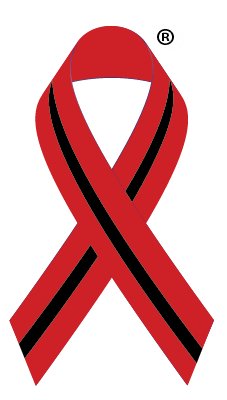
Red and black Veterans Suicide Awareness Ribbon

Veterans Suicide Awareness Ribbon

Red Star’s red-and-black ribbon raises awareness of suicide among current military, veterans and first responders. Red is the universal warning and stop sign. It is meant to warn and stop veteran suicide. Black is in remembrance of those we have lost to suicide.

About the Veterans Suicide Awareness Ribbon

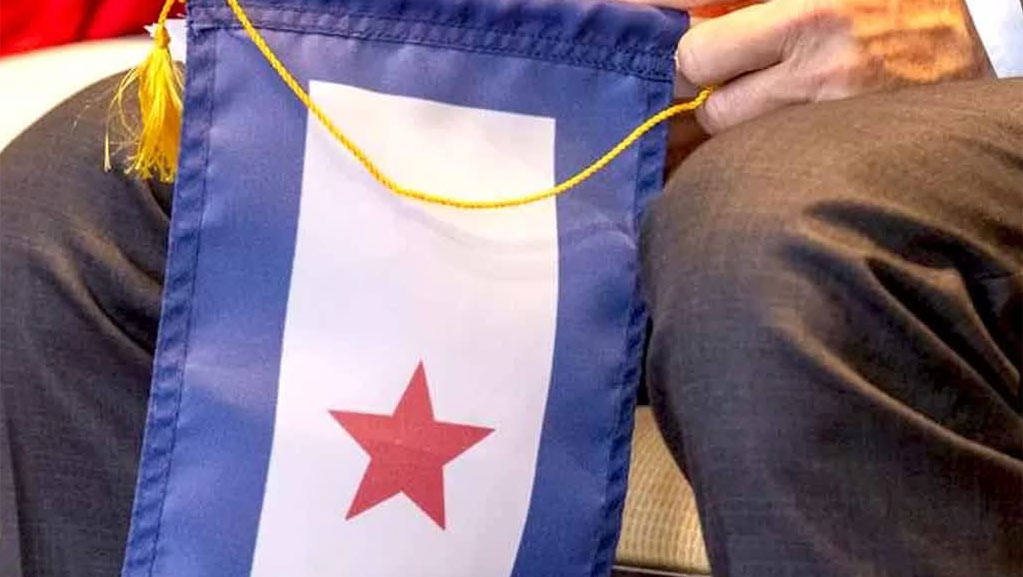
Red Star Service Banner

Red Star Service Banner

The Red Star Service Banner recognizes the families of current military, veterans and first responders who died by suicide. Recognition and awareness are different from clinical prevention services, but they help families feel seen and keep the conversation open.

About the Red Star Service Banner

Other Suicide Awareness Ribbons

Purple and teal, and yellow and orange, are also used for suicide prevention. Learn what each color means in our guide to suicide awareness ribbon colors and meanings.

How Red Star Foundation Supports Veteran Suicide Prevention and Awareness

Red Star Foundation works to prevent suicide among current military, veterans and first responders and provides hope, recognition and connection to Red Star Families. Red Star does not provide clinical treatment or operate a crisis hotline.

Find Organizations Helping Veterans and Their Families

Browse the National Resource Directory by the kind of support you need:

Get Involved in Veteran Suicide Awareness

Volunteer

Sign up to help with events, awareness and family support.

Volunteer Sign-Up

Attend or Organize an Awareness Event

Join a Red Star gathering or bring Red Star to your community.

Red Star events

Support Red Star Programs

Learn about the programs that bring hope, recognition and connection, and support them if you are able.

Red Star programs · Donate

Share Prevention Resources

Share the directory link so people know where to look when they need it. Sharing helps people find support; it is not a substitute for reaching out.

Connect Your Organization

Veteran and suicide prevention organizations can apply to be listed in the National Resource Directory. Every listing is reviewed before approval.

Frequently Asked Questions About Veteran Suicide Awareness

What is veteran suicide awareness?

Veteran suicide awareness means helping people understand suicide risk among veterans, reducing stigma, encouraging supportive conversations and making sure veterans and families know where to find qualified help. It is the starting point; prevention depends on the connections and actions that follow.

How can I help prevent veteran suicide?

Stay in regular contact with veterans you know, listen without judgment, learn the warning signs, help people reach professional support and keep following up. The National Institute of Mental Health summarizes five steps: ask, be there, help keep them safe, help them connect and follow up.

What can families do to support veterans?

Families can notice changes, speak up with care, ask directly if they are worried about suicide, help with practical steps such as finding a counselor or attending an appointment, and stay connected over time. Our Veteran Suicide Prevention guide covers this in more detail.

What can communities do to reduce veteran isolation?

Communities can host regular gatherings, veteran breakfasts, outdoor activities and volunteer projects, partner with qualified support organizations, share accurate local resources and keep opportunities for connection going all year.

How can employers support veterans?

Employers can build a supportive culture, explain mental health benefits and employee assistance programs, support veteran employee resource groups and mentoring, allow flexible time for appointments and partner with veteran-serving nonprofits, without collecting employees' health information unnecessarily.

What are common warning signs of suicide?

Warning signs can include talking about wanting to die or being a burden, withdrawing from people, increased alcohol or drug use, extreme mood changes and giving away possessions. Our Veteran Suicide Prevention guide lists the warning signs and what to do in detail.

How can someone help a veteran experiencing suicidal thoughts?

Ask directly, listen, help keep them safe, connect them with the Veterans Crisis Line (call 988 and press 1, or text 838255) or other qualified help, and follow up. If someone is in immediate danger, call 911. You do not need to diagnose anyone before seeking help.

When is Suicide Prevention Awareness Month?

September is recognized in the United States as Suicide Prevention Awareness Month, and World Suicide Prevention Day is September 10. There is no separate federally recognized veteran suicide awareness month, but veteran-focused awareness events take place throughout the year.

Are there veteran suicide awareness events?

Yes. Common events include awareness walks, 5K races, memorial rucks, community presentations, educational workshops, remembrance gatherings and fundraisers. Red Star Foundation lists its own events on its Events page.

What organizations help prevent veteran suicide?

The VA, the Veterans Crisis Line, the 988 Suicide & Crisis Lifeline and many national and local nonprofits provide crisis help, counseling, peer support and family assistance. Red Star's National Resource Directory lets you search reviewed organizations by location, category and population.

What is the Veterans Suicide Awareness Ribbon?

It is Red Star Foundation's red-and-black ribbon, created to raise awareness of suicide among current military, veterans and first responders. Red is the universal warning and stop sign. It is meant to warn and stop veteran suicide. Black is in remembrance of those we have lost to suicide.

How can I volunteer for veteran suicide prevention?

Look for established nonprofits that serve veterans and families, including Red Star Foundation. Red Star's Volunteer Sign-Up page explains how to get involved with events, awareness and family support.

What does Red Star Foundation do?

Red Star Foundation works to prevent suicide among current military, veterans and first responders and provides hope, recognition and connection to Red Star Families. Its programs include the Red Star Service Banner, the Red Star Pledge, Red Star Voices and the National Suicide Prevention & Support Resource Directory. Red Star does not provide clinical treatment or operate a crisis line.

Where can veterans and families find support?

In a crisis, call 988 and press 1, or text 838255, to reach the Veterans Crisis Line, or call 911 in an emergency. For ongoing support, search Red Star's National Resource Directory or visit VA's suicide prevention resources.


Sources and Further Reading